
Pulleys
View all-

HARKEN
Available in store or shipped within 24 hoursRegular price €5021 EURUnit price -


Nautos
57mm Ball Bearing Block (used)
Available in store or shipped within 24 hoursRegular price €1250 EURUnit price -


 New arrival
ALLEN
POULIE XHL 20MM - TRÈS HAUTE CHARGE - ALLEN
Available in store or shipped within 24 hoursSale price €13500 EUR Regular price €16200Unit price -

HARKEN
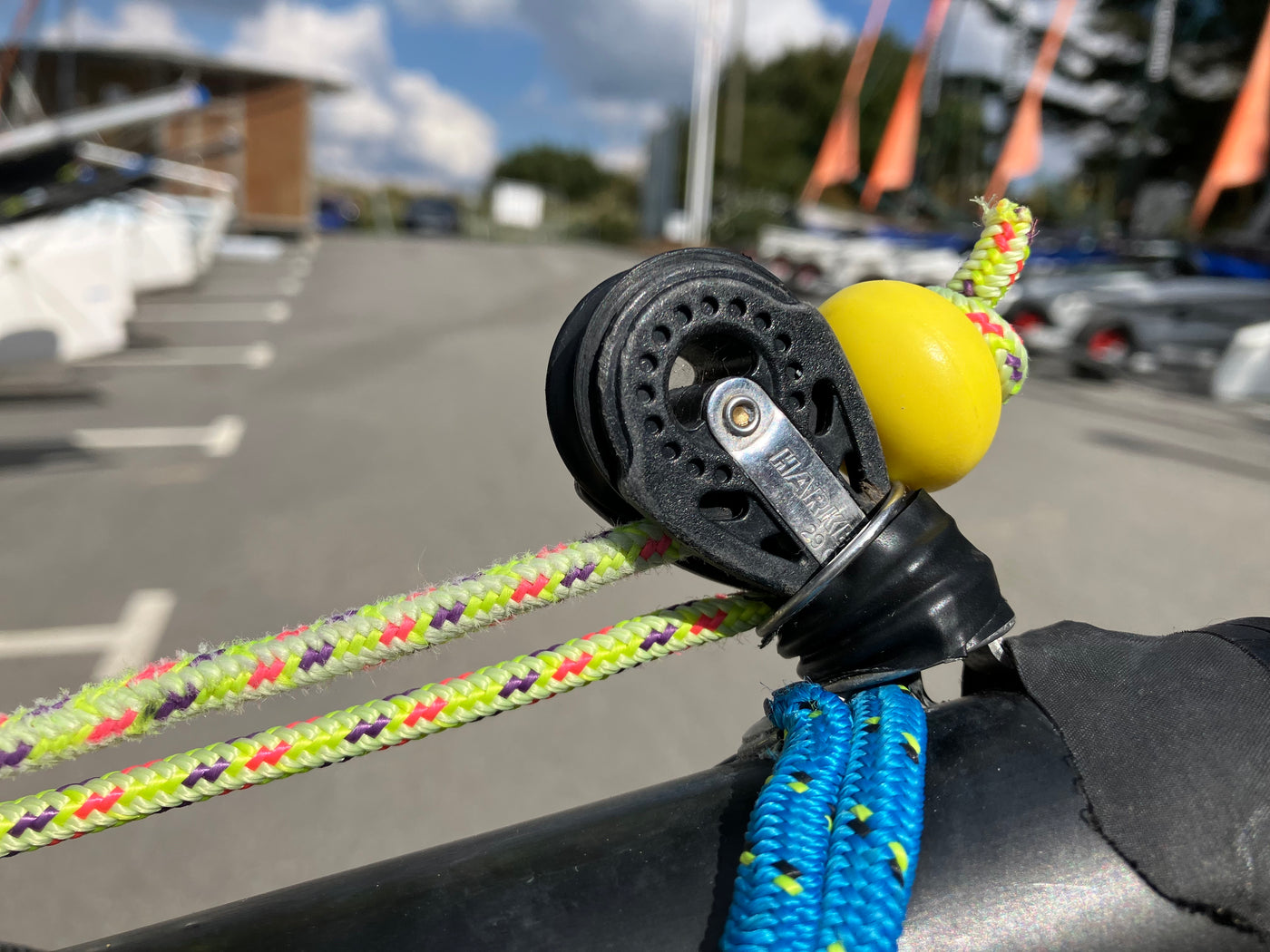
T2 double lashing pulley 29 mm
Available in store or shipped within 24 hoursRegular price €5752 EURUnit price -

HARKEN
Available in store or shipped within 24 hoursRegular price €2535 EURUnit price -

 New arrival
RONSTAN
Carbo Pulley 57 mm Ratchamatic Flip-flop
Available in store or shipped within 24 hoursRegular price €36500 EURUnit price -
 New arrival
HOLT
Carbo Pulley 57 mm Ratchamatic Flip-flop
Available in 7 daysRegular price €2990 EURUnit price -

HARKEN
Bag of 21 Torlon balls, 6.35 mm
Available in store or shipped within 24 hoursSale price €1590 EUR Regular price €1764Unit price -

HARKEN
Bag of 21 Delrin 6.35 mm balls
Available in store or shipped within 24 hoursRegular price €436 EURUnit price -

HARKEN
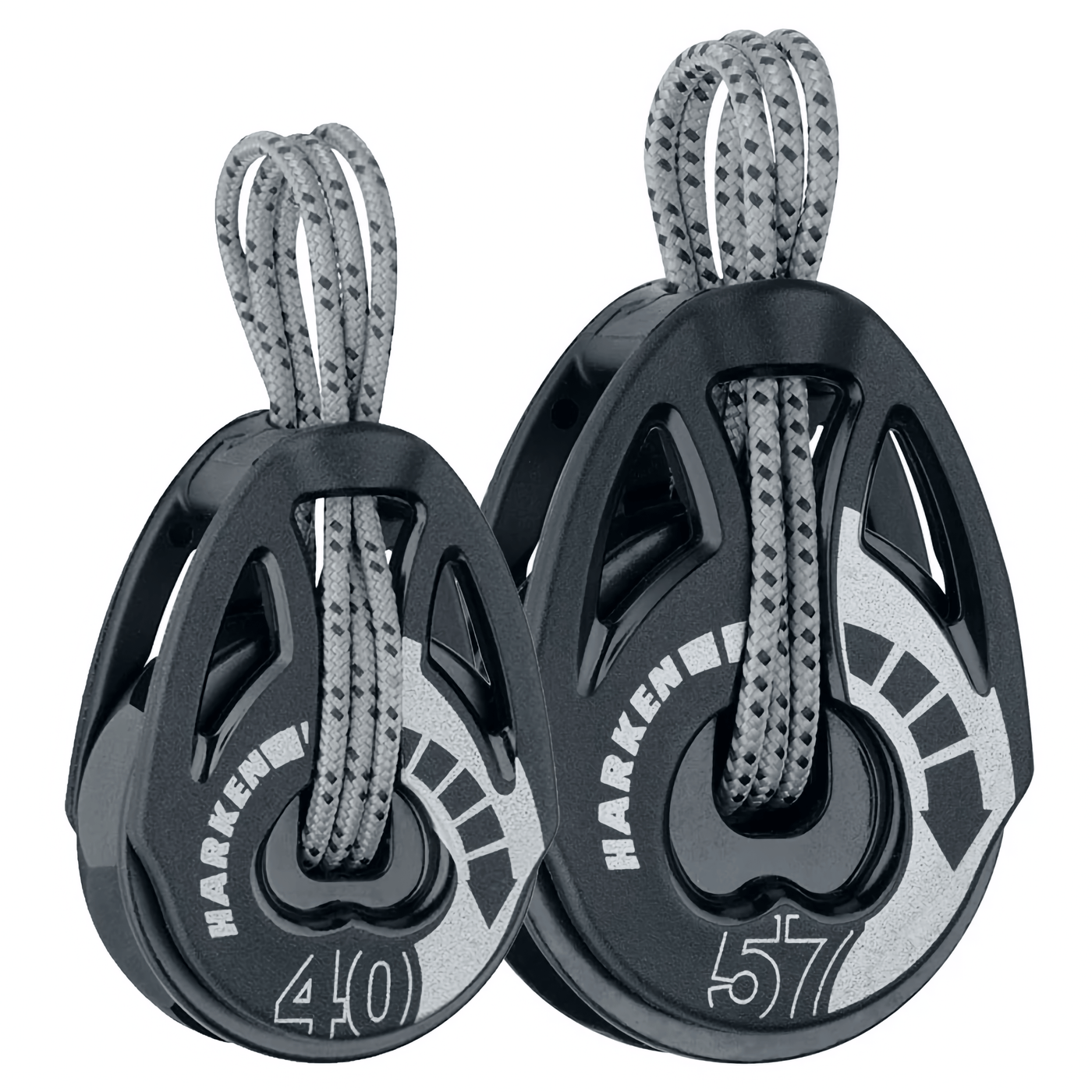
Carbo T2 lashing Ratchamatic pulley 40 mm
Available in store or shipped within 24 hoursSale price €7900 EUR Regular price €8543Unit price -

HARKEN
Available in store or shipped within 24 hoursRegular price €3335 EURUnit price -


 New arrival
Antal
Chariot GV 4Race à billes - Manille - Antal
Available in 7 daysSale price €23900 EUR Regular price €25200Unit price -
New arrival
ALLEN
POULIE XHL 30MM - TRÈS HAUTE CHARGE - ALLEN
Available in store or shipped within 24 hoursSale price €18900 EUR Regular price €19800Unit price -
 New arrival
 -
 New arrival
ALLEN
Réa 25 mm inox à billes captives
Available in store or shipped within 24 hoursRegular price €2875 EURUnit price -
 New arrival
ALLEN
anneau a friction 15mm aluminium
Available in store or shipped within 24 hoursRegular price €1350 EURUnit price -
 New arrival
Ronstan
Poulie simple à billes Ronstan 15 mm
Available in store or shipped within 24 hoursSale price €1320 EUR Regular price €1338Unit price -

-

HARKEN
Chargeur de bille pour chariot Harken séries small boat
Available in store or shipped within 24 hoursRegular price €2690 EURUnit price -

-

Windesign
Available in store or shipped within 24 hoursRegular price €1950 EURUnit price -

RONSTAN
20mm Sheave Pulley - Orbit - Double
Available in store or shipped within 24 hoursSale price €2490 EUR Regular price €2867Unit price -

RONSTAN
Available in store or shipped within 24 hoursSale price €1290 EUR Regular price €1442Unit price -

RONSTAN
Shock Friction Pulley - for 6 mm rope - blue
Available in store or shipped within 24 hoursSale price €990 EUR Regular price €1033Unit price


ALL OUR GUIDES TO HELP YOU CHOOSE WELL


